

It is the only time we are not productive, yet it is the most productive thing our brain does.
In Silicon Valley, sleep is often treated as a bug in the human operating system—something to be "hacked" or minimized to 4 hours in pursuit of efficiency. In wellness circles, it is treated as a religion, with the "8-hour rule" preached as gospel.
The biological reality, however, is far more nuanced. Sleep is not a passive state of rest; it is an active neurological state of cleaning, archiving, and repair. But is the 8-hour mandate scientifically valid? Do we actually need it to survive? And why do our children wake up at 6:30 AM regardless of when we put them to bed?
Here is the science of the shut-eye, stripped of the myths.
The Glymphatic System: Why We Cannot Skip It
For decades, scientists knew that we slept, but they didn't fully understand why failing to do so was fatal. The answer lies in the "Glymphatic System," a waste clearance pathway in the brain discovered only recently.
Think of your brain like a bustling city. During the day, the neurons are firing, creating metabolic waste (trash). If this trash accumulates, it forms plaques associated with Alzheimer's and dementia.
When you enter deep sleep, your brain cells literally shrink by 60%. This creates space for cerebrospinal fluid to wash through the tissue, flushing out the toxins. This cleaning process cannot happen while you are awake. To skip sleep is to leave the trash rotting in the streets of your mind.
The Success Spectrum: Hustle vs. Recovery
There is no single "CEO Sleep Schedule." However, a clear divide exists between those who sleep to survive and those who sleep to perform.
The 8-Hour Myth & Genetic Mutants
Is 8 hours the magic number? Sleep is measured in 90-minute "ultradian" cycles. Most adults need 5 cycles (7.5 hours) to feel fully restored. Waking up in the middle of a cycle causes "sleep inertia" (grogginess), which is why 7.5 hours often feels better than 8.
But what about the CEO who thrives on 4 hours? They likely possess the DEC2 Gene Mutation. People with this mutation (less than 1% of the population) can undergo a full repair cycle in 4 to 5 hours. If you do not have this gene, training yourself to sleep 4 hours is biological sabotage.
Know Your Animal: The 4 Chronotypes
Stop forcing yourself to be a "Morning Person" if your biology fights it. Dr. Michael Breus categorized sleepers into four distinct chronotypes based on when their melatonin production peaks.
Wakes up early (5 AM) naturally. High energy in the morning, exhausted by 9 PM. Represents ~15% of people.
Follows the sun. Needs 8 hours. Most productive mid-morning. Represents ~55% of people.
Night owl. Struggles before 10 AM. Most creative and productive between 7 PM and Midnight. Represents ~15% of people.
Light sleeper, often diagnosed with insomnia. Brain is always "on." Productive in spurts. Represents ~10% of people.
The U-Shaped Curve: Longevity & Geography
When plotting sleep duration against mortality, the data forms a "U-Shape."
The Danger Zones: People who sleep less than 6 hours have a 12% higher risk of premature death. However, surprisingly, those who sleep more than 9 hours regularly also show increased mortality markers. The statistical "sweet spot" for the longest lifespan is between 7 and 8 hours.
The shortest sleepers globally, driven by "Inemuri" (sleeping on the job) culture.
The highest average. Emphasis on outdoor activity contributes to deeper rest.
Consistently high ranking, correlated with lower stress levels.
The Pediatrics: Larks by Nature
Why 6:30 AM? The Biological Alarm
Parents often ask how to make their toddler sleep until 8 AM. The biological answer is: you usually can't.
Young children are natural "Larks." Their circadian rhythm is set by the sun. Melatonin secretion stops when light hits the optic nerve. Developmentally, it is normal for children under 6 to wake between 6:00 AM and 7:00 AM. It is not a behavioral flaw; it is an evolutionary trait.
The "Second Wind" Danger: If a child stays up past their "tired window," their body produces cortisol and adrenaline to keep them awake. A wired, hyperactive child at 9 PM is actually an overtired child.
The Quarter-Life of Caffeine
We misunderstand coffee. Caffeine has a half-life of roughly 5 to 7 hours.
The Math: If you drink a double espresso (100mg) at 4:00 PM, you still have 50mg (half a cup) active in your bloodstream at 10:00 PM. This residual caffeine blocks "Adenosine" receptors, preventing your brain from entering the deepest stages of restorative sleep. To sleep deeply, stop caffeine ~10 hours before bed.
The Bio-Hacker's Toolkit
We selected these tools based on their ability to regulate the biological inputs of sleep: Temperature, Light, and Data.
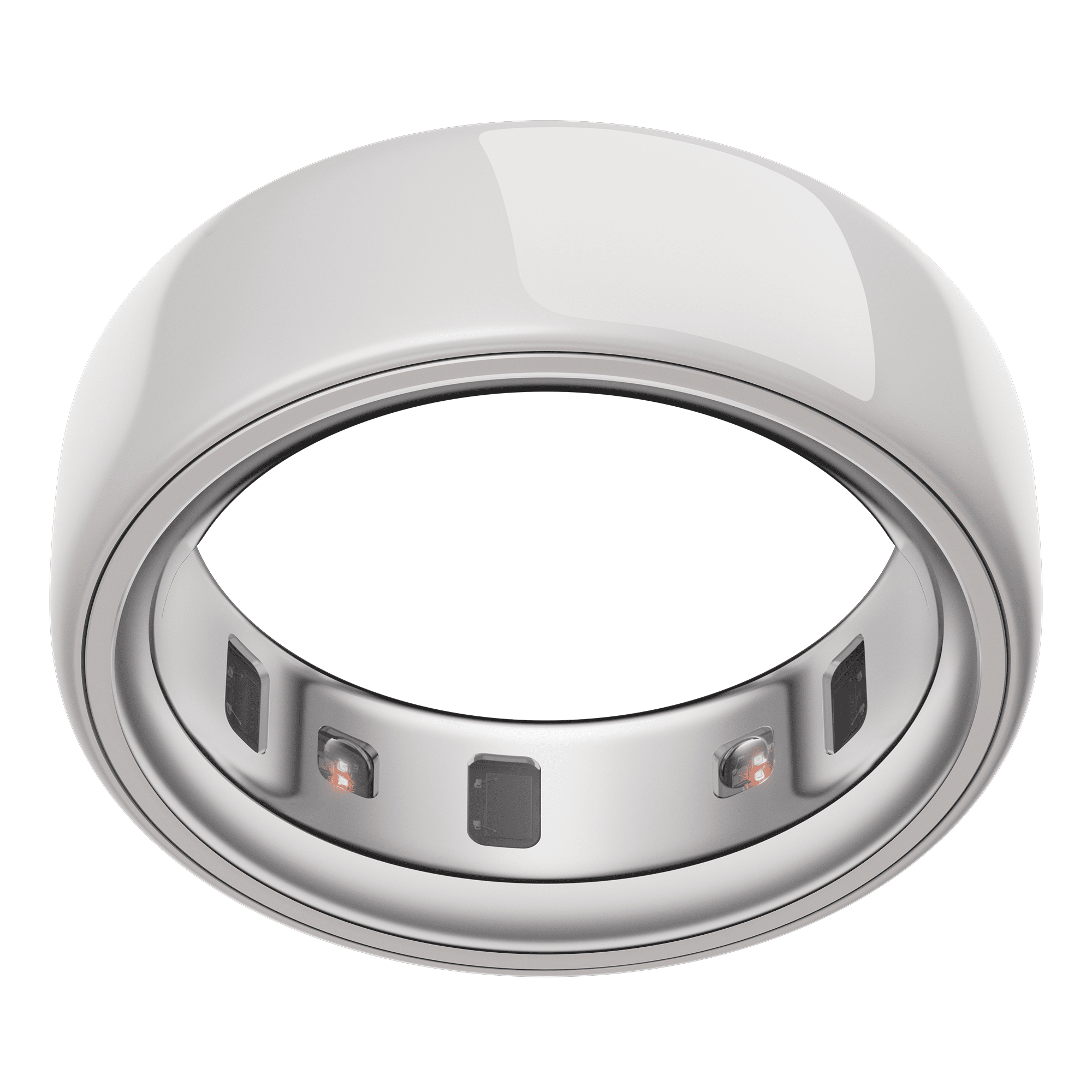
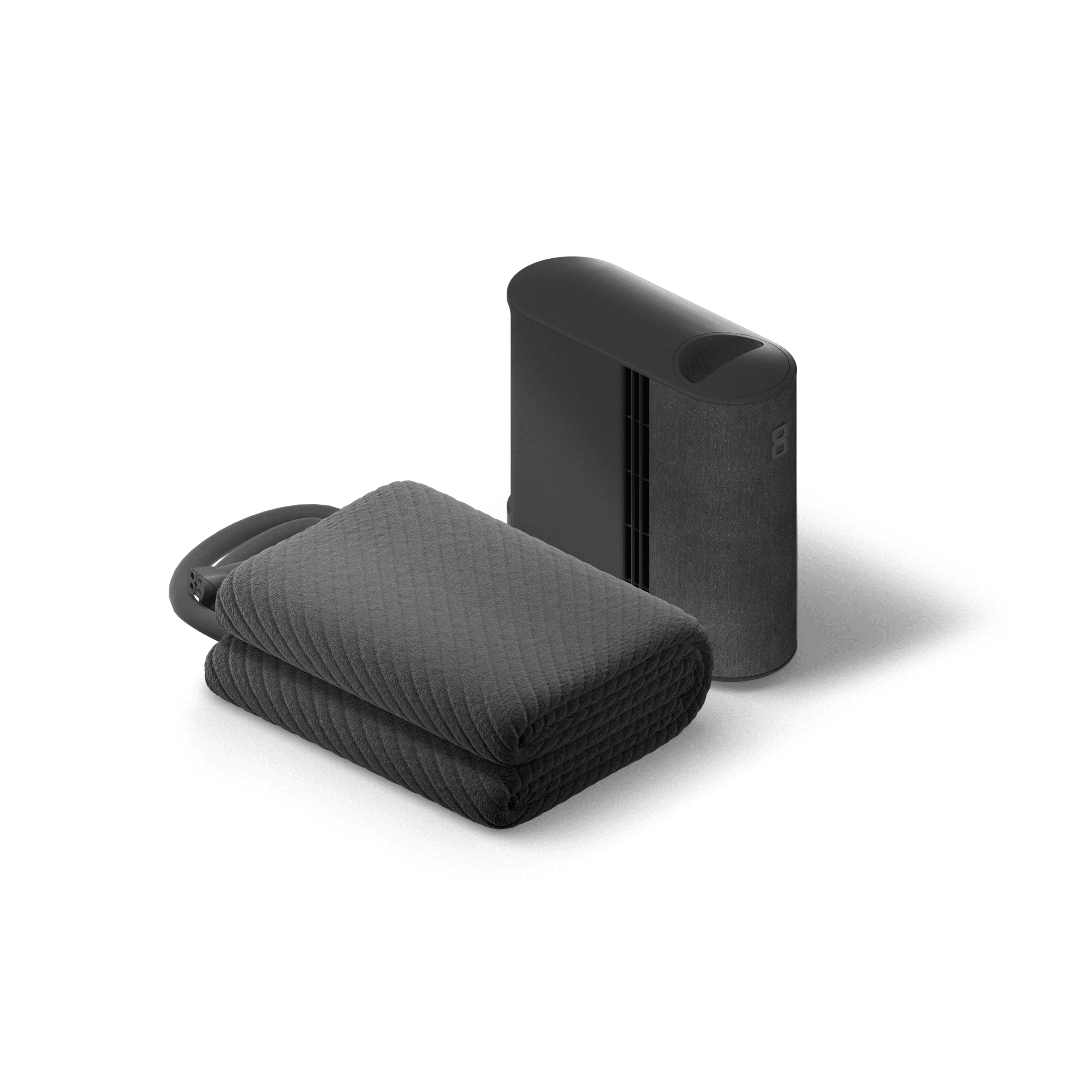
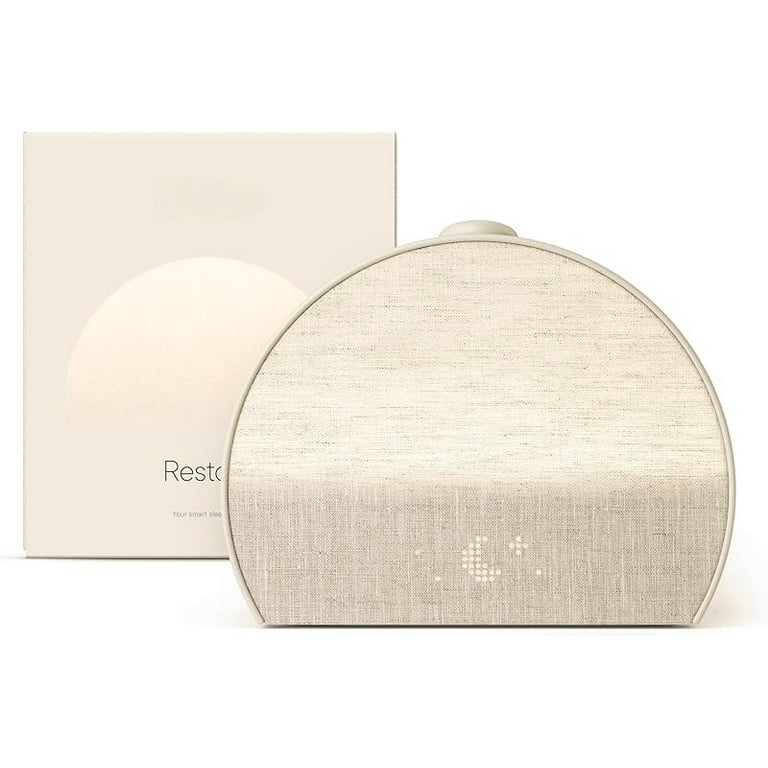
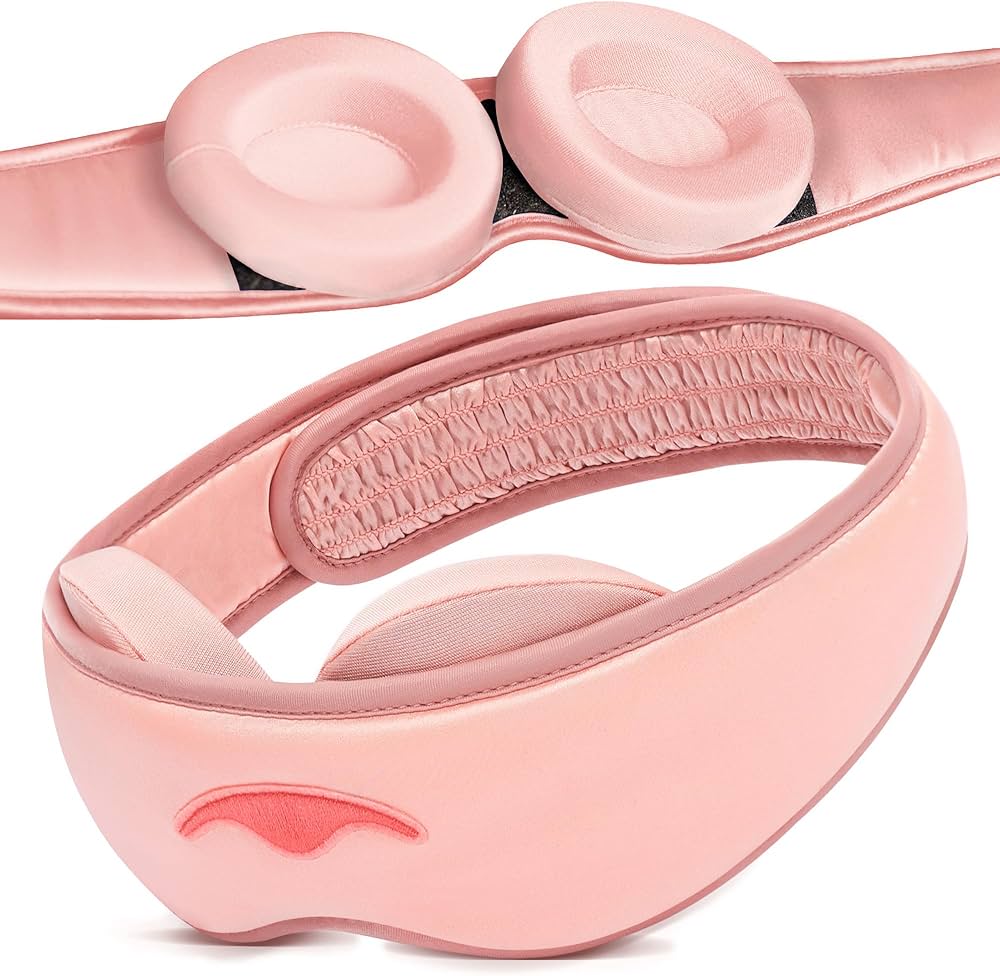
The Verdict
Sleep is not a luxury; it is the foundation of our biology. While we can envy the genetic mutants who function on 4 hours, or the New Zealanders resting for 8, the goal is consistency. Respecting the 90-minute cycle, knowing your Chronotype, and understanding the chemical wash of the Glymphatic system changes sleep from a "chore" into a vital performance practice.
- Glymphatic System: Nedergaard M. "Garbage Truck of the Brain." Science (2013). University of Rochester Medical Center.
- Global Sleep Data: "The World’s Sleep Patterns" study by Sleep Cycle app (aggregated user data, 2019).
- Longevity Curve: Cappuccio FP, et al. "Sleep duration and all-cause mortality: a systematic review and meta-analysis." Sleep (2010).
- Chronotypes: Breus, Michael. The Power of When (2016).
- Short Sleep Gene: UCSF Weill Institute for Neurosciences, identifying the DEC2 and NPSR1 mutations.
- Pediatric Hormones: "Cortisol and Sleep in Infants and Toddlers," Journal of Sleep Research.


